
Effective Dog Ear Infection Treatment: Caring for Your Canine’s Ears
Ear infections in dogs are a common problem that can cause discomfort and distress for your furry friend. If you notice your dog scratching their ears, shaking their head, or showing signs of pain, it’s important to act quickly. I want to share some effective dog ear infection treatment tips that can help you care for your pet and get them feeling better fast.
Understanding Dog Ear Infection Treatment
Dog ear infections happen when bacteria, yeast, or even allergies cause inflammation inside the ear canal. These infections can be painful and may lead to more serious issues if left untreated. The good news is that with the right approach, you can help your dog recover quickly.
When treating a dog’s ear infection, the first step is to identify the cause. Sometimes, infections are due to moisture trapped in the ear after swimming or bathing. Other times, allergies or ear mites might be the culprit. Knowing the cause helps in choosing the best treatment.
Here are some common steps involved in dog ear infection treatment:
Cleaning the ear: Gently removing debris and wax buildup is essential. Use a vet-approved ear cleaner and avoid inserting anything deep into the ear canal.
Medication: Your vet may prescribe antibiotic or antifungal ear drops depending on the infection type.
Follow-up care: Keep an eye on your dog’s progress and continue treatment as directed to prevent recurrence.
If you want to learn more about how to treat canine ear infections, this resource offers detailed guidance.

Signs Your Dog Needs Ear Infection Treatment
Recognizing the signs of an ear infection early can make a big difference. Dogs can’t tell us when they’re uncomfortable, so it’s up to us to watch for clues. Here are some common symptoms to look out for:
Frequent scratching or pawing at the ear
Head shaking or tilting
Redness or swelling inside the ear
Unpleasant odor coming from the ear
Discharge that may be yellow, brown, or bloody
Sensitivity or pain when touching the ear
Changes in behavior, such as irritability or lethargy
If you notice any of these signs, it’s best to schedule a veterinary visit promptly. Early treatment can prevent the infection from worsening and causing damage to the ear canal or eardrum.
Will hydrogen peroxide clear up a dog's ear infection?
Many pet owners wonder if hydrogen peroxide is a safe and effective way to treat ear infections. While hydrogen peroxide can clean wounds and kill bacteria on the skin, it is generally not recommended for treating dog ear infections.
Hydrogen peroxide can be harsh and irritating to the sensitive skin inside your dog’s ear canal. It may cause more inflammation and discomfort, making the infection worse. Instead, veterinarians recommend using specially formulated ear cleaners that are gentle and safe for pets.
If you want to clean your dog’s ears at home, ask your vet for a suitable ear cleaning solution. These products help remove debris without damaging the delicate tissues inside the ear.
Avoid using hydrogen peroxide unless specifically directed by your veterinarian. Proper treatment usually involves medicated ear drops or ointments prescribed after a thorough examination.
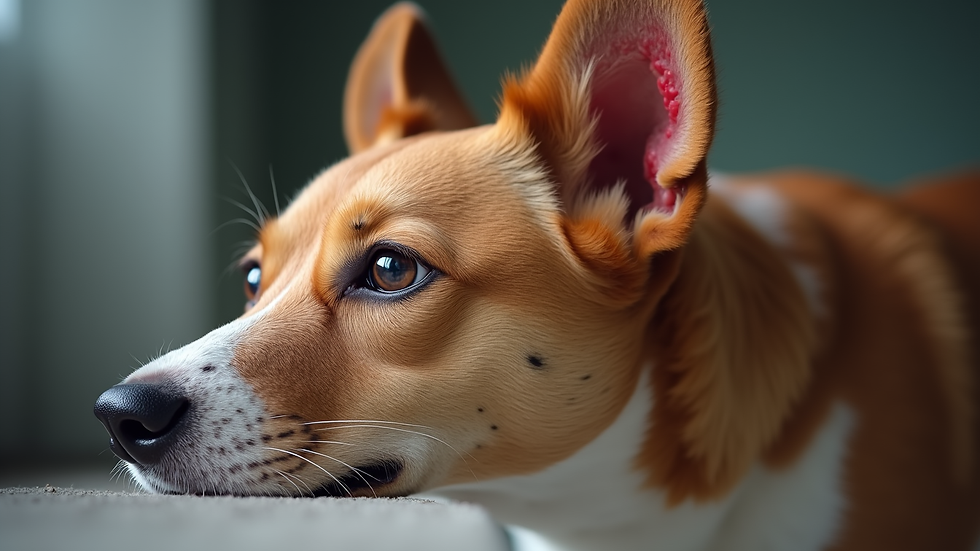
How to Safely Clean Your Dog’s Ears at Home
Cleaning your dog’s ears is an important part of preventing and managing infections. Here’s a simple step-by-step guide to help you do it safely:
Gather supplies: You’ll need a vet-approved ear cleaner, cotton balls or gauze, and treats to reward your dog.
Find a comfortable spot: Choose a quiet place where your dog feels relaxed.
Apply the cleaner: Gently lift your dog’s ear flap and squeeze a few drops of the cleaner into the ear canal.
Massage the base of the ear: This helps loosen debris and wax inside.
Let your dog shake their head: This helps bring the loosened material to the outer ear.
Wipe away debris: Use a cotton ball or gauze to gently clean the visible parts of the ear. Never insert anything deep into the ear canal.
Repeat if necessary: Clean the other ear if needed.
Always be gentle and stop if your dog shows signs of pain. If the ear looks very red, swollen, or has a bad smell, it’s best to see your vet before cleaning.
Preventing Future Ear Infections in Your Dog
Prevention is key to keeping your dog’s ears healthy. Here are some tips to reduce the risk of infections:
Keep ears dry: After baths or swimming, dry your dog’s ears thoroughly.
Regular ear checks: Look inside your dog’s ears weekly for signs of redness or debris.
Routine cleaning: Clean your dog’s ears as recommended by your vet, especially if they are prone to infections.
Manage allergies: Work with your vet to control any allergies that may affect your dog’s ears.
Trim hair around ears: Excess hair can trap moisture and dirt.
Healthy diet: A balanced diet supports your dog’s immune system.
By following these steps, you can help your dog avoid the discomfort and complications of ear infections.
When to See Your Veterinarian for Ear Infection Treatment
While some mild ear issues can be managed at home, it’s important to know when professional care is needed. You should contact your veterinarian if:
Your dog’s symptoms don’t improve within a few days of home care
The ear infection recurs frequently
There is severe pain, swelling, or discharge
Your dog shows signs of hearing loss or balance problems
You notice any bleeding or open sores in the ear
Veterinarians can perform a thorough examination, including ear swabs to identify the infection type. They will then recommend the most effective treatment plan tailored to your dog’s needs.
At Mountain View Animal Hospital, we provide compassionate and comprehensive care for pets in Redmond, Oregon. Our team is here to help your dog feel comfortable and healthy again.
Taking care of your dog’s ears is an important part of their overall health. With the right knowledge and care, you can effectively manage and prevent ear infections. Remember, gentle cleaning, timely treatment, and regular check-ups are your best tools for keeping your dog’s ears happy and healthy.


Comments